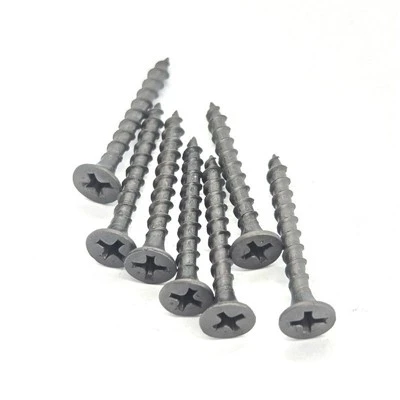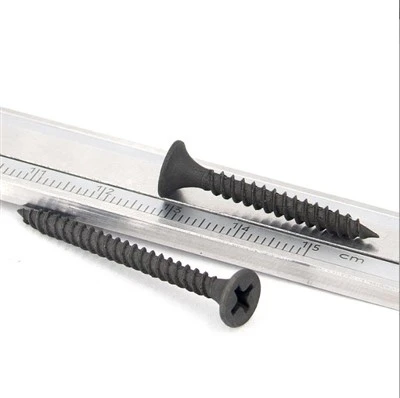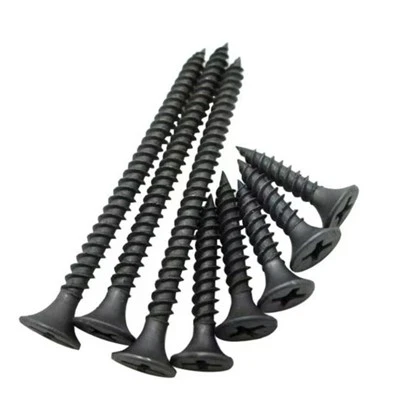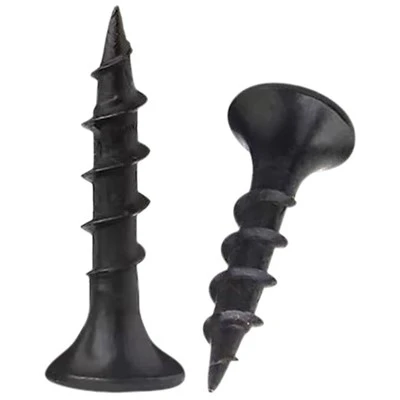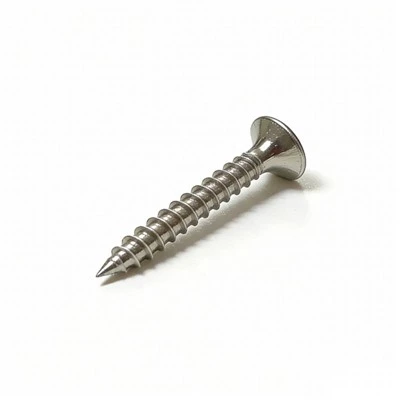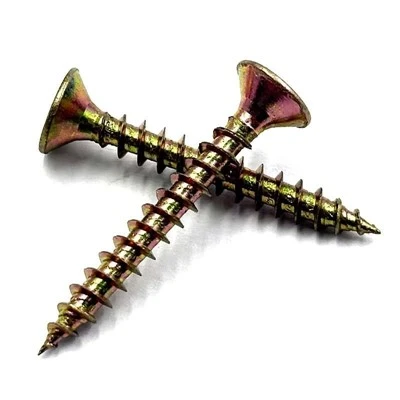

At first glance, the distinction seems simple: metric uses millimeters, imperial uses inches (1 inch = 25.4 mm). But the real trouble lies in the thread geometry – the angle of the thread flank and the pitch (distance between threads). Metric threads have a 60° flank angle; imperial (UN series) also uses 60°, but the pitch is expressed differently, and the diameters don't line up neatly.The bottom line: they are not interchangeable. Forcing a metric bolt into an imperial nut is like jamming a USB-A plug into a USB-C port – they look like they could fit, but they don't. At best, you get a loose connection; at worst, you strip both threads.

The Metric System – Clean, Logical, Global
Metric threads (designated with an "M") are the default standard for most of the world – Europe, China, Japan, and virtually every country that uses the SI system. The logic is straightforward:
- Notation: M6 × 1.0 – that means a nominal diameter of 6 mm and a pitch of 1.0 mm (the distance from one thread crest to the next).
- If the pitch isn't specified, it's assumed to be the coarse (standard) pitch. So M6 alone means M6 × 1.0.
Coarse vs. Fine:
Same diameter, different pitch.
- M6×1.0 (coarse) – general purpose, good strength, fast assembly.
- M6×0.75 (fine) – finer thread for better locking under vibration and finer adjustment.
Common metric sizes you'll run into:
- M3 – small electronics, computer cases
- M4 – appliance housings, switch plates
- M5 – bicycles, furniture
- M6 – the workhorse – cars, machinery, you name it
- M8 – engine mounts, medium equipment
- M10 – suspension parts, structural brackets
- M12 and up – heavy machinery, construction
The Imperial System – Old School, Still Everywhere in the US
Imperial threads are dominant in the United States, the UK, and certain legacy industries – automotive, aerospace, plumbing, and many older machine tools. Even though the US officially adopted the metric system back in the 1970s, the cost of retooling and retraining has kept imperial alive in practice.
- Notation example: 1/4-20 UNC
- 1/4 = nominal diameter in inches (1/4 inch ≈ 6.35 mm)
- 20 = number of threads per inch (pitch is the reciprocal, roughly 1.27 mm)
- UNC = Unified National Coarse – there's also UNF (fine) and UNEF (extra fine).
- Common imperial sizes and their metric approximations (but don't mix them up):
- #6-32 (~3.5 mm) – US electronics
- #8-32 (~4.2 mm) – US appliances
- #10-24 (~4.8 mm) – general hardware
- 1/4-20 (6.35 mm) – US cars, furniture
- 5/16-18 (7.94 mm) – medium-strength joints
- 3/8-16 (9.53 mm) – general machinery
- Notice the numbers are close to metric equivalents but never exactly the same. That 0.35 mm difference between 6 mm and 1/4 inch is enough to ruin your day.
How to Tell Them Apart – Three Reliable Methods
When you pick up an unidentified screw, here's how to know which family it belongs to:
- Measure the diameter – use a caliper.
- Exactly 6.00 mm → likely M6 metric.
- Around 6.35 mm → likely 1/4″ imperial.
- Around 7.94 mm → likely 5/16″ imperial.
- Measure the pitch – use a thread pitch gauge.
- M6 coarse → 1.0 mm pitch.
- 1/4-20 → 20 threads per inch (roughly 1.27 mm).
- No gauge? Count 10 threads and divide the total length by 10.
- Test-fit with a known nut – if you have a nut from a known system, try it. Smooth engagement means you've found the match. This is old-school but bulletproof.
Final Takeaway
- Metric: mm for diameter and pitch, 60° angle, labelled M×pitch.
- Imperial: inches for diameter, threads per inch, 60° (UNC/UNF) or 55° (Whitworth), labelled like 1/4-20 UNC.
- They are not cross-compatible – never force them.
- Identify by measuring diameter, pitch, or test-fitting.
- The split is historical, rooted in national industrial paths, and not going away anytime soon – so learn both if you work with hardware.
Understanding these two systems isn't just about picking the right bolt – it's about respecting the engineering legacy and avoiding costly mistakes. And that's a piece of knowledge that never goes out of thread.